
For years, the terms dry skin and dehydrated skin have been used interchangeably, creating endless confusion in the pursuit of a perfect complexion. However, understanding the fundamental difference between dry and dehydrated skin is arguably the most critical step in correctly addressing your skin’s needs. Misdiagnosing your skin condition leads to the wrong treatments, wasted money, and, most frustratingly, no visible improvement.
The distinction is simple but profound: one is a skin type; the other is a skin condition. A dry skin diagnosis is permanent; dehydrated skin is temporary and treatable.
This comprehensive, expert-level guide will end the confusion forever. We will not only define the precise nature of each issue but provide the definitive tests and actionable solutions for both treating dry skin and achieving optimal water retention, leaving you with a radiant, supple, and truly healthy complexion.
Understanding the Fundamentals: Dry Skin vs Dehydrated Skin
At the core of the issue, we must clarify what each term truly signifies from a biological and dermatological perspective. This separation is key to moving beyond the common mistake of thinking of them as synonyms.
The primary keyword, what is the difference between dry skin and dehydrated skin, can be boiled down to a single chemical distinction: oil vs. water.
Dry Skin Lacks… What Exactly?
Dry skin is a defined skin type, determined by genetics. When you classify your skin as dry skin, you are referring to a chronic lack of sufficient oil, or sebum. Sebum is the skin’s natural moisturizing factor (NMF) and is vital for forming a strong, protective lipid barrier (the stratum corneum).
When an individual has dry skin, their sebaceous glands simply do not produce enough oil. This results in an impaired skin barrier function. This deficiency directly causes the physical symptoms of dryness, such as flakiness, irritation, and often a dull, matte appearance. Because it is a genetically predetermined state of low oil production, it is often a lifelong condition, requiring constant management through lipid-rich skincare ingredients. In essence, dry skin lacks oil.
What is Dehydrated Skin and Why It’s a Temporary State
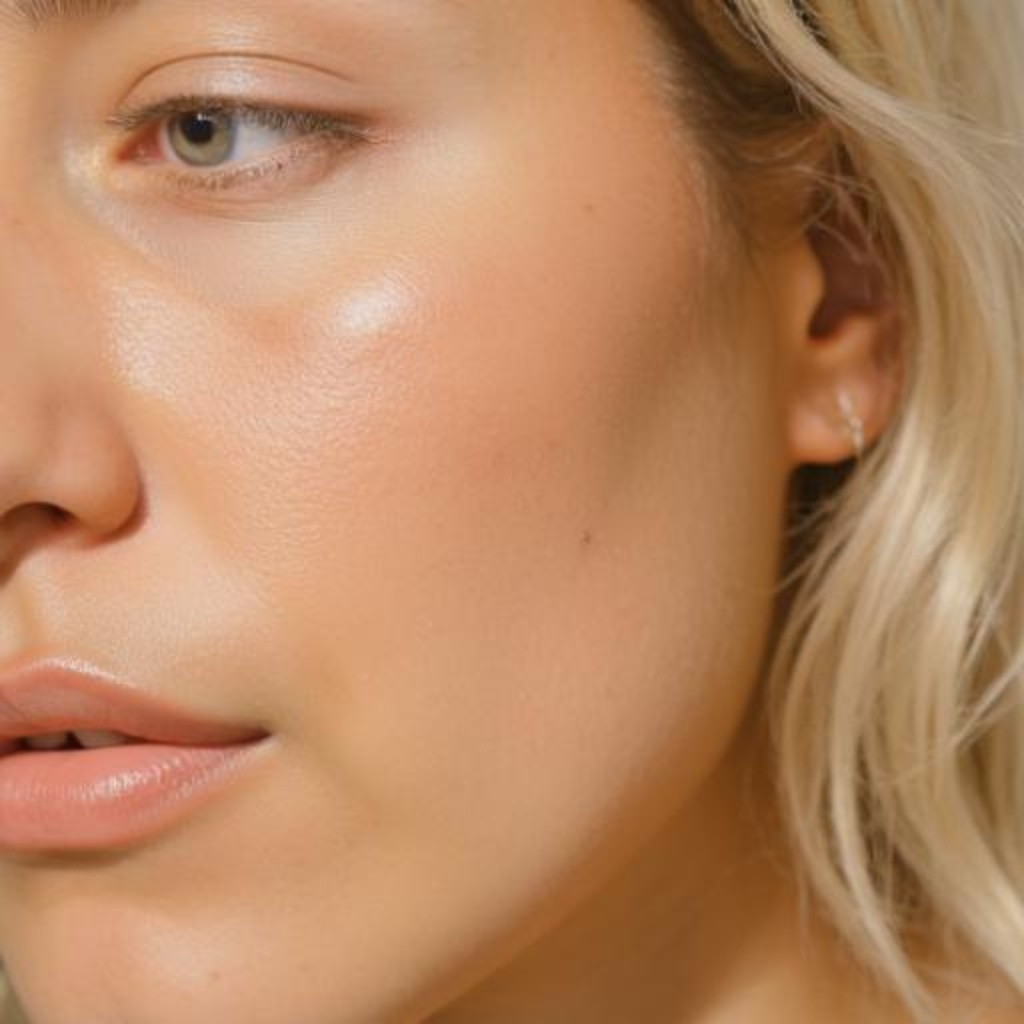
In contrast, dehydrated skin is a skin condition—a temporary state that can affect any skin type, even oily or combination skin. Dehydrated skin is characterized by a lack of water.
The top layer of your skin needs at least 10% water content to function optimally. When this drops below ideal levels, your skin becomes dehydrated. This happens when there is an excessive loss of moisture from the skin’s surface, known as transepidermal water loss (TEWL). While this can sometimes be mistaken for the flaky look of dry skin, it is a separate issue entirely. The good news is that because it is a condition, not a type, it is highly treatable. The leading cause of dry skin is genetics; the leading cause of dehydration is lifestyle and environment.
Ultimately, whether you have dry or dehydrated skin determines the pathway of your routine.
Diagnosis and Testing: How to Tell the Difference Between Dry and Dehydrated Skin
To accurately identify your specific concern—whether you have dry skin or dehydrated skin—we turn to professional assessment methods. How to tell the difference between dry and dehydrated skin requires checking two things: your oil production and your skin’s elasticity.
The Simple Dehydration Test: Skin Pinch and Poor Turgor Skin
The easiest way to check for a lack of water is with a simple elasticity test that dermatologists often perform: the dehydration test skin pinch.
- Gently pinch a small amount of skin on your cheek, the back of your hand, or your lower abdomen.
- Hold the pinch for a second, then release.
- Observe how quickly the skin snaps back into place.
In a healthy, adequately hydrated vs dehydrated skin scenario, the skin will immediately recoil and smooth out. If your skin stays tented or takes a noticeable moment to return to its original shape, you are showing signs of poor turgor skin, which is a direct indicator of cellular dehydration. This method, often referred to as the dehydrated pinch skin test, is a reliable first assessment.
The same assessment, called the dehydrated hand test, can also be performed on the back of the hand, which is often one of the first areas to show moisture loss.

Analyzing Dehydrated Skin Texture vs. Dry Skin Flaking
The visual and tactile differences between dry skin vs dehydrated skin are subtle but revealing:
Characteristic | Dry Skin (Lacks Oil) | Dehydrated Skin (Lacks Water) |
Feel | Tight, rough, flaky, slightly irritated. | Tight, papery, sensitive, and often has a crepey texture. |
Appearance | Dull, matte, sometimes has visible scaling. Pores are often small or invisible. | Can appear oily (as the skin overcompensates for water loss with oil production), yet still feel tight. Fine lines are easily visible. |
Turgor Test | Skin recoils quickly (oil levels are fine). | Poor turgor skin—skin takes time to return to normal. |
Primary Need | Lipids (Ceramides, Oils). | Water (Humectants). |
Deep Dive into Causes: Leading Cause of Dry Skin vs. The Drivers of Dehydration
Understanding the root cause is essential when formulating a definitive skincare routine.
Can Dehydration Cause Dry Skin? Defining the Link.
It’s important to clarify that dehydration cannot cause a genetically dry skin type, but it can certainly exacerbate it.
A constant state of dehydration compromises the skin’s barrier integrity. A weakened barrier becomes more permeable, leading to further transepidermal water loss. When the skin loses too much water, the entire cellular structure becomes disrupted, making it harder to absorb and retain the lipids that dry skin already lacks. So, while can dehydration cause dry skin is a “no,” chronic dehydration can make the symptoms of dry skin significantly worse.
Is Dry and Sensitive Skin the Same? Clarifying Skin Types.
This is another common area of confusion. Is dry and sensitive skin the same? No, but they are often linked.
- Dry Skin is defined by a lack of oil.
- Sensitive Skin is a classification based on hyper-reactivity to external factors (ingredients, weather, pollution).
However, because dry skin has a compromised barrier due to low oil production, it is inherently less protected. This vulnerability allows irritants and allergens to penetrate the skin more easily, making dry and dehydrated skin types far more prone to sensitivity. You can have oily skin that is also sensitive, but the combination of dry skin and sensitivity is extremely common due to the structural deficit in the barrier.
Treatment Protocols: Treating Dry Skin vs. The Goal for Dehydration
The treatment approach for a lack of oil is vastly different from the approach for a lack of water. Confusing the two is where most people derail their routines.
The Goal of Treatment for Dehydrated Skin: Hydrating from the Inside Out
The goal of treatment for dehydrated skin is twofold: replenish water topically and reduce transepidermal water loss.
- Internal Hydration: This begins with adequate fluid intake. While skincare products are essential, supporting your body’s overall moisture levels is foundational. Consider the visual difference of drinking water before and after dehydrated skin face to understand the impact of internal health on external appearance.
- External Replenishment (Humectants): Topical products must contain humectants—ingredients that attract and bind water to the skin.
This focused approach is the key to seeing a visible difference between a dehydrated face vs hydrated one.
Skincare Chemistry: Which Ingredients Can Be Used to Treat Dehydrated Skin?
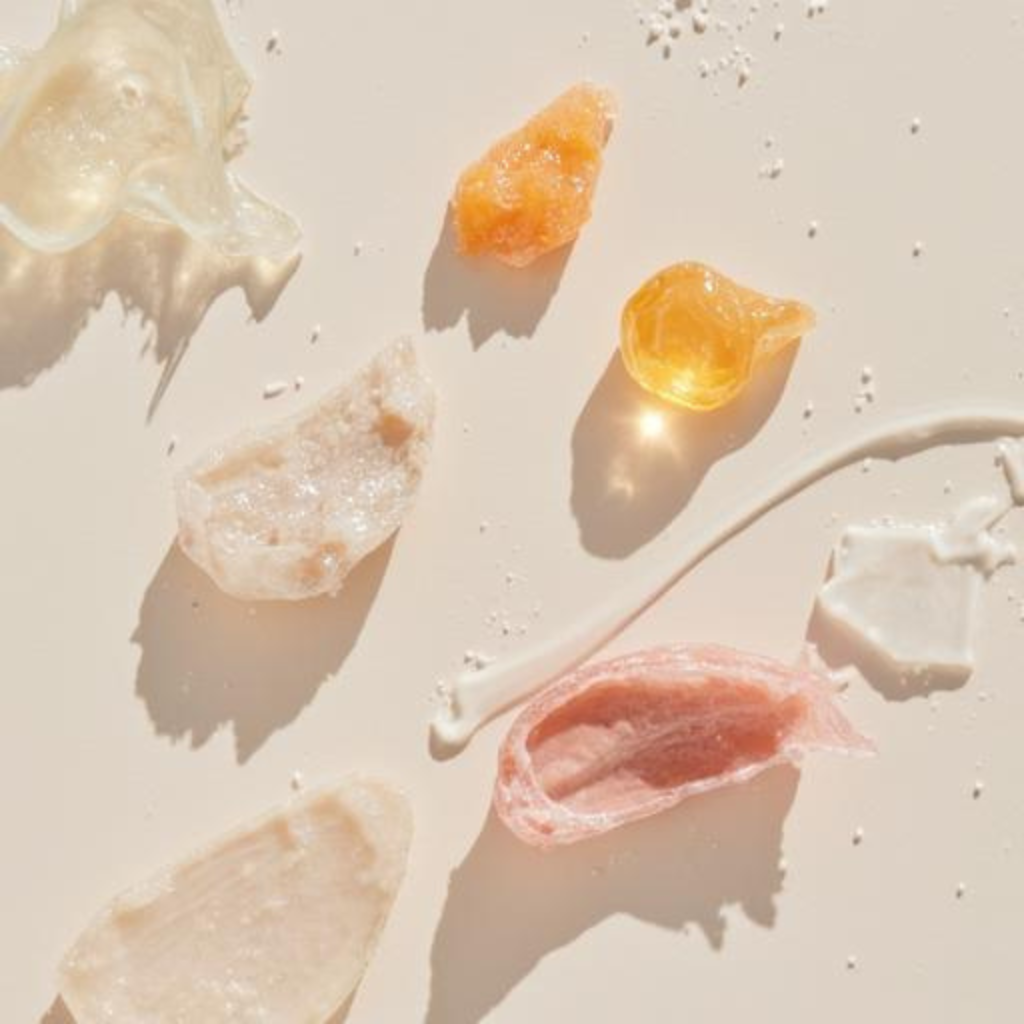
To effectively address the dehydrating skin condition, you must look for powerful humectants and supportive ingredients in your formulas. Here are the top ingredients that skincare professionals rely on:
- Hyaluronic Acid (HA): A renowned humectant that can hold up to 1,000 times its weight in water, pulling moisture from the air and deeper layers of the skin to the surface.
- Glycerin: A highly effective, universally tolerated, and cost-effective humectant that is a staple in products targeting dehydrated skin treatments.
- Saccharide Isomerate (Pentavitin): A powerful hydration binder that provides deep, long-lasting moisture.
- Aloe Vera & Allantoin: Soothing humectants that also calm the inflammation that often accompanies dehydration.
For treating dry skin (lack of oil), the focus shifts to emollients and occlusives:
- Emollients: Ingredients like squalane, jojoba oil, and shea butter that fill gaps in the lipid barrier, smoothing the skin.
- Occlusives: Ingredients like petrolatum, lanolin, or rich oils that form a protective film on the surface to physically block transepidermal water loss.
The most effective approach for an individual who is both dry and dehydrated (the common “dry-dehydrated skin” complaint) is to use a layered approach: humectants first, followed by emollients and occlusives to lock the water in.
The Visual Impact: Hydrated Skin vs Dehydrated Face
The visual difference between an adequately hydrated skin vs dehydrated one is often dramatic, moving the complexion from lackluster to luminous.
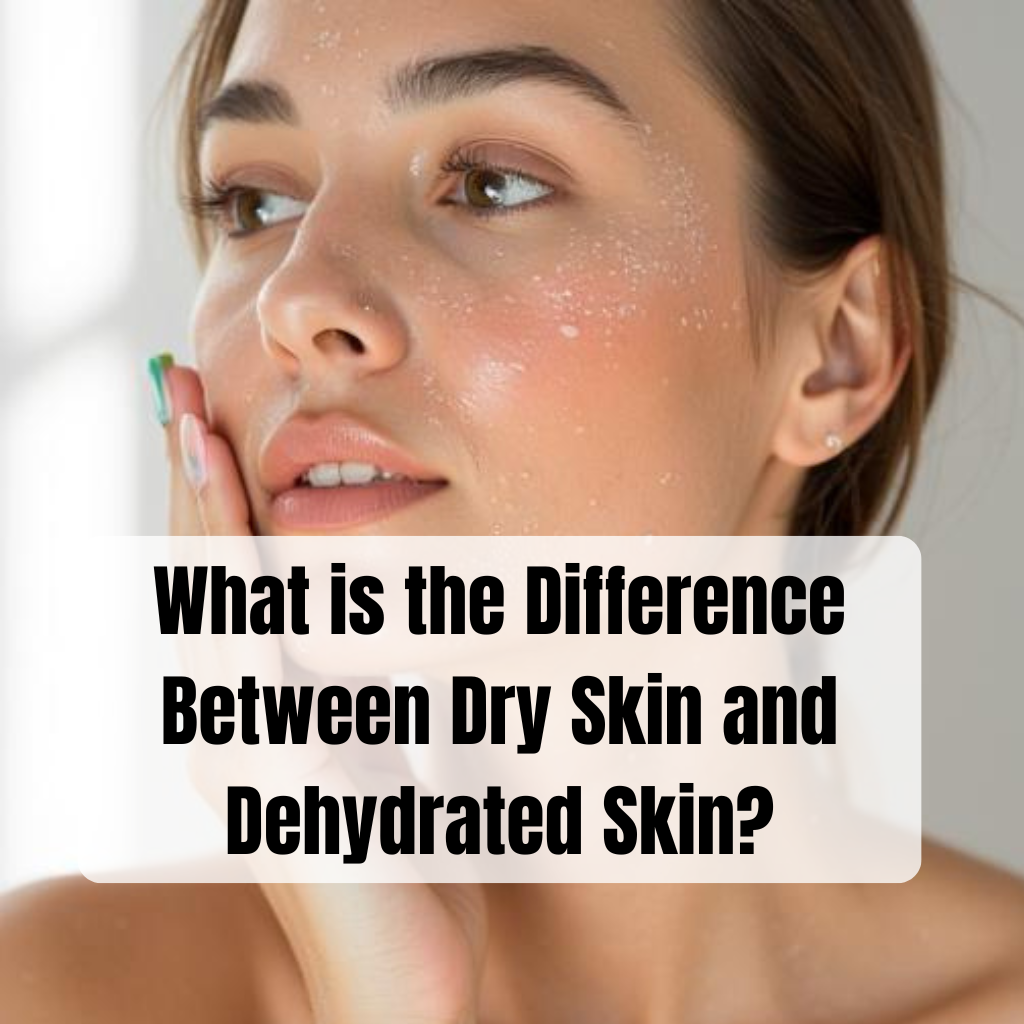
A dehydrated face typically appears dull, lines are more prominent (especially around the eyes and mouth), and the overall skin tone lacks brightness. You might notice your foundation looking “cakey” as it settles into the fine lines caused by lack of turgor. Conversely, a hydrated vs dehydrated face has plumpness, a healthy bounce, and a natural dewiness that reflects light beautifully. This resilience is often noted by skincare professionals when they compare hydrated vs dehydrated skin.
Furthermore, addressing dehydration is key to managing a host of other common skin concerns. Many individuals confuse their dehydrated skin treatments with treatments for sensitivity, acne, or rosacea, when in reality, restoring the water balance often alleviates these secondary concerns.
Action Plan: Skincare for Dehydrated Skin
If you have confirmed that you suffer from dehydrated skin, here is a simple, actionable routine designed for maximum water retention:
- Gentle Cleansing is Crucial
Avoid harsh, stripping cleansers (often gel or foaming types) that contain high levels of surfactants. These strip the skin of its minimal surface moisture, making the dehydrating skin problem worse. Use a creamy, milky, or oil-based cleanser.
- Layering is Your Superpower
Apply humectant-rich products to damp skin. Water is the key to making humectants work.
- First Layer (Damp Skin): Apply a hydrating essence or toner containing Glycerin or Hyaluronic Acid.
- Second Layer: Apply a dedicated serum featuring other specialized ingredients, such as a Niacinamide serum (excellent for barrier support) or a specialized “aquaporin-boosting” product. These are your essential skincare dehydrated skin staples.
- Seal the Deal with Occlusion
Finish with a cream that contains both emollients and mild occlusives. Even if you have oily skin and are simply dehydrated, do not skip this step. The occlusive layer is necessary to prevent the water you just applied from evaporating (TEWL). Look for specific dehydrated skin care products that list Ceramides and Cholesterol as these mimic the skin’s natural lipid structure, thereby reinforcing the barrier from the outside.
- Lifestyle Adjustments
Beyond products, true skin hydration is an internal job.
- Diet: Increase intake of water-rich foods (cucumbers, watermelon, berries).
- Environment: Use a humidifier, especially during winter or in dry climates.
- Internal Hydration: Focus on consistent daily water intake, noting the overall improvement in your skin’s vitality.
Finally, remember that the constant comparison of dry vs dehydrated skin will only serve your skin if you treat the root cause. If you are dealing with a lifelong dryness, enrich your routine with oils and butters. If you are dealing with a lack of water, stock up on humectants. Either way, a tailored, consistent approach will ensure your journey to healthy skin is finally successful.