



Are you battling persistent breakouts, tightness after cleansing, or a T-zone that shines brighter than a spotlight? Your struggle with oily skin type products that cause flakiness, or hydrating creams that trigger breakouts, usually boils down to one thing: not knowing your true skin type.
The key to achieving your skin goals—whether that’s a balanced complexion, reduced congestion, or lasting glow—starts with correctly identifying if your skin is naturally oily, dry, or somewhere in between.
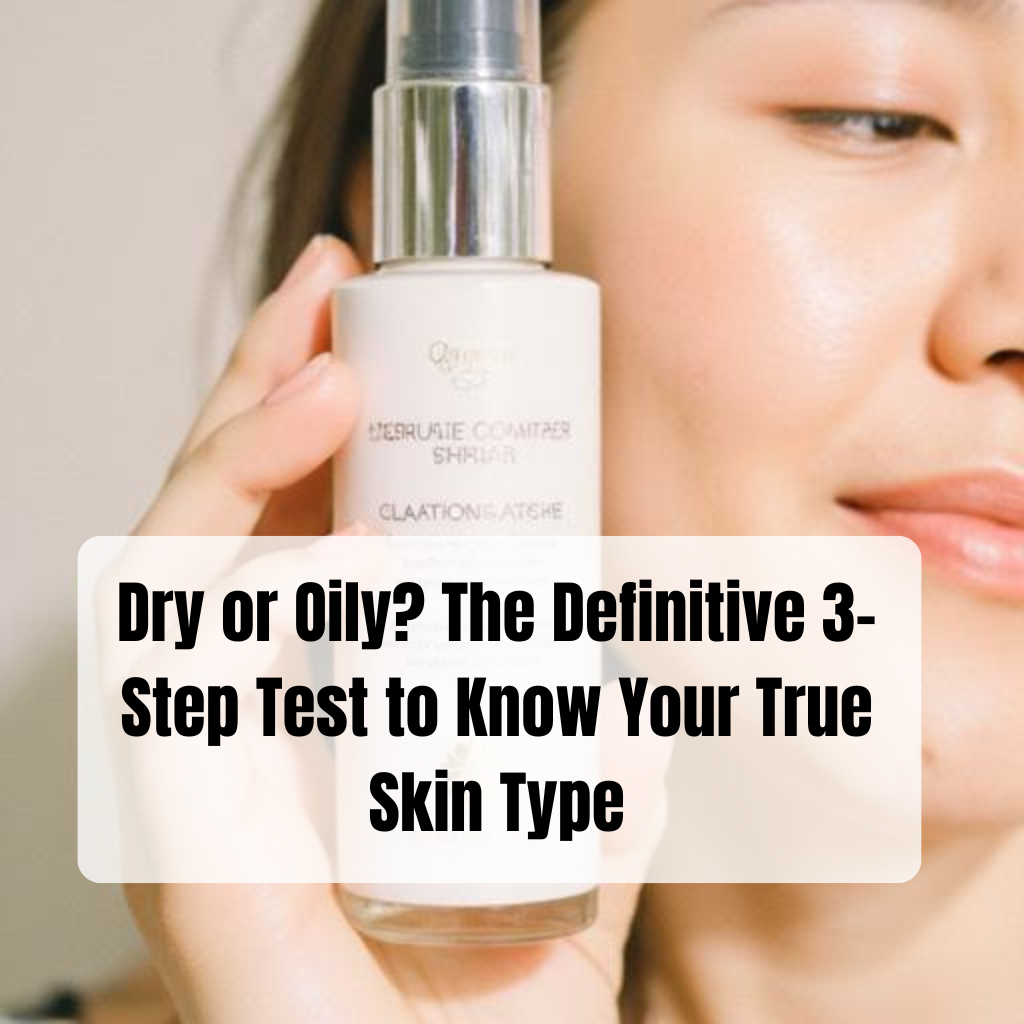
This comprehensive guide is your essential first step. We’ll teach you the simple 3-step test to know your true skin type and provide the characteristics you need to spot the difference between oily vs dry skin, finally answering the question: Do I have dry or oily skin?
The Essential 3-Step Test: How to Determine Skin Type
The fastest and most reliable way how to know what skin type I have is the “Bare-Face Test.” This process is designed to eliminate product interference and reveal your skin’s natural behavior.
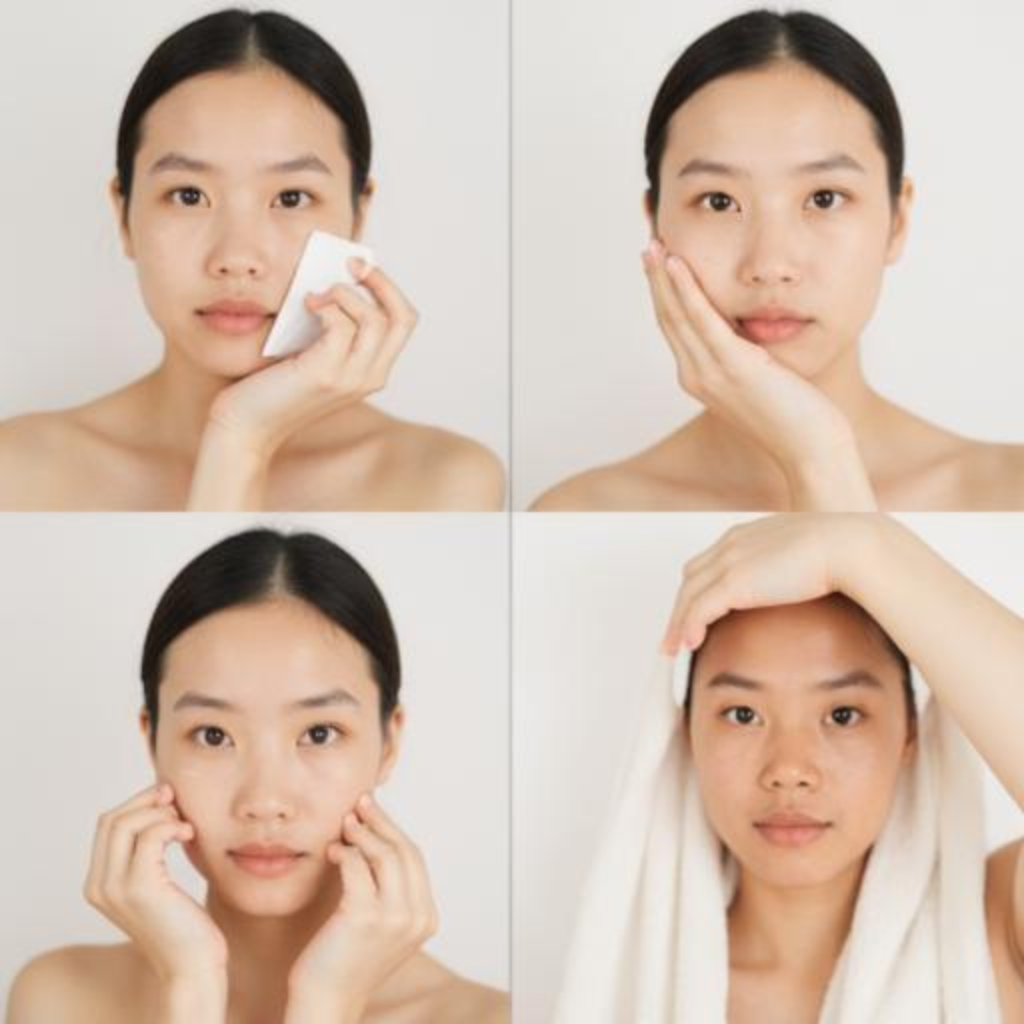
Step 1: Cleanse Your Face
Wash your face with a gentle, pH-balanced cleanser. Pat your skin dry with a clean towel. This removes any makeup, dirt, or residual product that could skew your results.

Step 2: Wait 30 Minutes (The Observation Period)
Leave your skin completely bare—do not apply any serums, moisturizers, or sunscreen. After 30 minutes, your skin’s natural tendencies will start to emerge as it reverts to its baseline state. This is crucial how to tell if your skin is oily or dry.
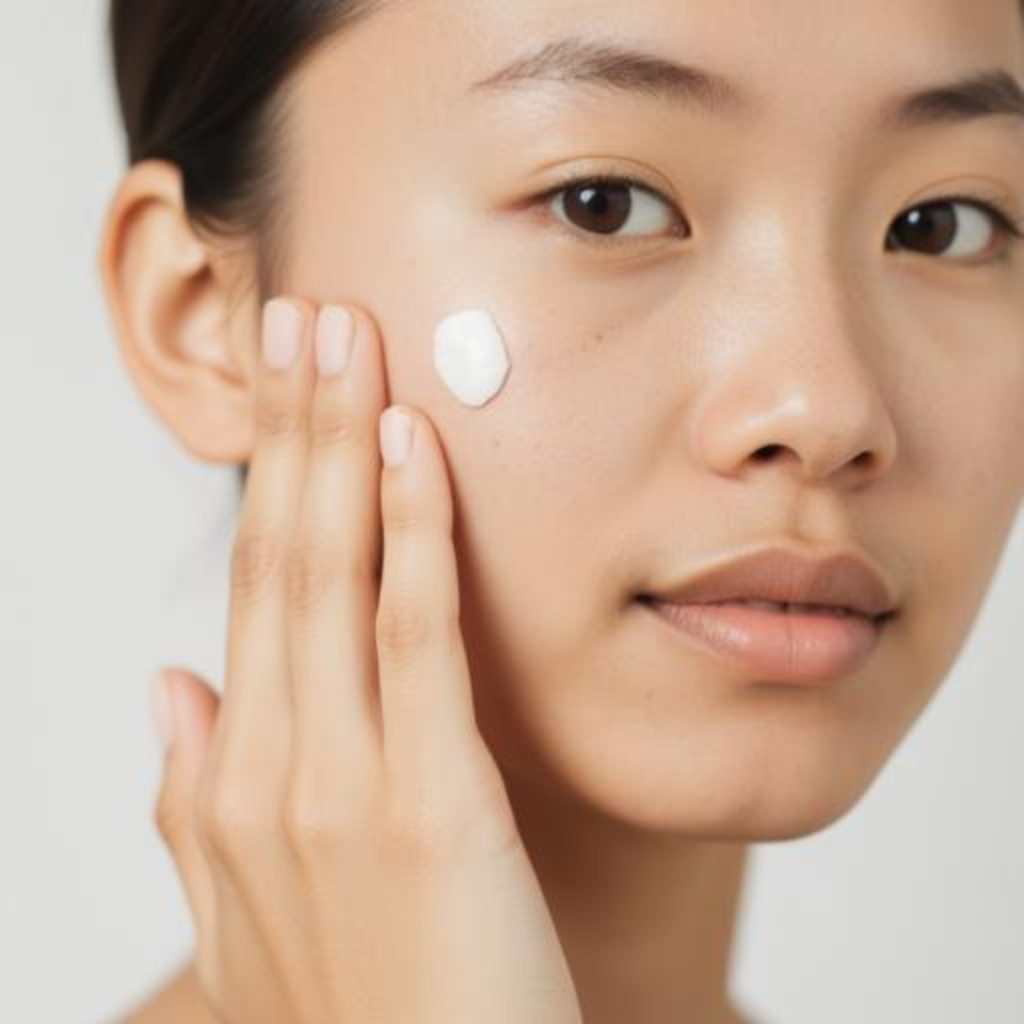
Step 3: Examine and Compare (The Press Test)
Gently press a clean, thin tissue or blotting paper across four key areas: your forehead, nose (the T-zone), your cheeks, and your chin. Then, use a mirror to observe your skin and the paper.
Observation | Conclusion | Skin Type Keywords Covered |
Tissue Test | The paper is noticeably saturated with oil in multiple areas, especially the T-zone and cheeks. Your face looks greasy or shiny all over. | oily face, greasy skin, face is oily |
Visual Check | Your skin feels tight, flaky, or rough. You may see noticeable patches of dry and flaky skin. The pores are small and barely visible. | dry skin oily skin, dry but oily skin, flaky oily skin |
Combined | The paper has oil in the oily T zone (forehead and nose), but your cheeks and jaw feel tight or look flaky. Your skin is a skin mixture. | oily t zone dry cheeks, oily vs combination skin, combo skin type |
This test is the foundation how to know if you have dry or oily skin correctly.
What Does Oily Skin Look Like? Signs You Have Oily Skin
If your skin produced excess oil during the test, you likely have oily skin. This type is medically characterized by overactive sebaceous glands, leading to an excessive oily skin appearance.
Characteristics of Oily Skin
The main features of oily skin face are tied directly to sebum production:
Shine and Sheen: Your face, especially the T-zone, has a constant, often noticeable oily shine shortly after cleansing. You might find that your face is oily when I wake up or you need to wipe your greasy face multiple times a day.
Visible Pores: Pores appear enlarged and sometimes congested, especially on the nose, cheeks, and forehead. This is why people often search for oily skin pores solutions.
Makeup Slippage: Foundation and makeup tend to “melt” or fade quickly throughout the day.
Acne Tendency: This skin type is prone to blemishes, blackheads, and whiteheads because the excess oil traps dead skin cells. This is a common oily skin symptom.
Texture: Your skin may feel thick or coarse. This answers the question:
What is a characteristic of oily skin?
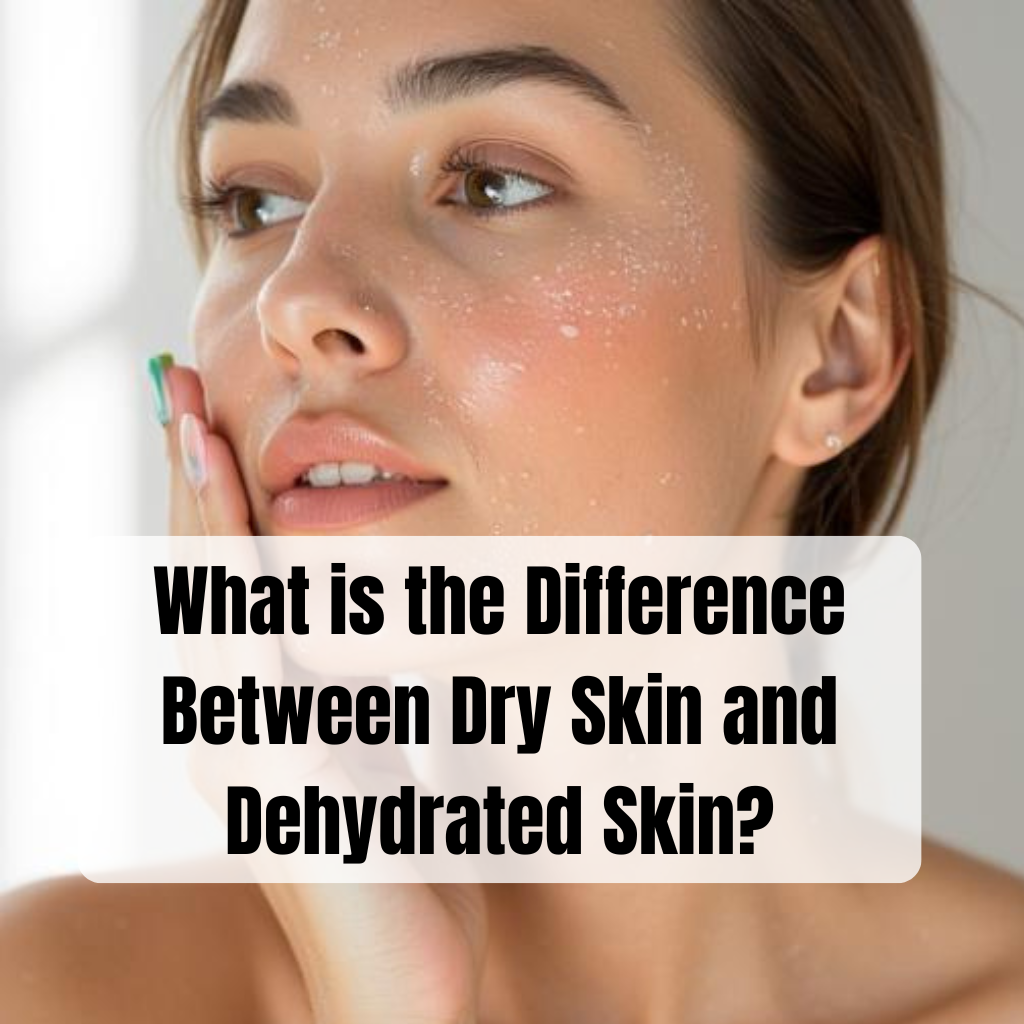
The confusion often arises because some people may have oily skin but flaky patches—a sign that their products are too harsh, stripping the skin, and causing dehydration, which makes the oil glands overcompensate. Why is my skin suddenly oily and flaky? Because you are treating the oiliness, but neglecting the dehydration!

Dry vs Oily Skin: The Definitive Dry Skin Characteristics
If the tissue paper was clean and your skin felt tight and potentially uncomfortable, you likely have dry skin. This is the opposite of oily skin meaning a lack of adequate oil (sebum) production.
Key Signs You Have Dry Skin
To answer the question, is my face oily or dry from the dry skin perspective, look for these signs:
- The Tight Feeling: Immediately after washing, your skin feels taut, constricted, and sometimes itchy. This is the clearest dry skin symptom.
- Flakiness and Peeling: You may notice small, invisible flakes, especially around the eyebrows, nose, and mouth. Some even describe it as oily skin peeling if they are using harsh treatments.
- Minimal Pores: Your pores are generally small, barely visible, and less prone to blockages.
- Dull Appearance: Skin often looks matte and lacks natural luminosity or “glowy” appearance. It’s the difference between oily vs glowy skin.
- Early Fine Lines: Dry skin is more susceptible to the appearance of fine lines and a lack of elasticity.
Answering how to know if I have dry skin or oily comes down to that feeling of tightness. If your skin is perpetually thirsty and uncomfortable without moisturizer, you are leaning toward the dry side.
How Do You Know If You Have Combination Skin?
The vast majority of people do not have purely oily or dry skin; they have combination skin. This is where the term combo skin type comes from. If your results from the 3-step test were mixed, you are not alone!
Signs You Have Combination Skin (The “Mixed Skin” Profile)
How do you know if you have combination skin?
It means your face is effectively two or more different skin types at once.
- The Oily T-Zone: Your forehead, nose, and chin (oily t zone) show classic signs of oiliness—visible pores, shine, and frequent breakouts. Many people search for products for oily t zone because of this issue.
- Dry/Normal Cheeks: Your cheeks, jawline, and areas around the eyes feel tight, are often dry, or simply fall into the “normal” category. This is the classic dry cheeks and oily t zone scenario.
- The T-Zone Trap: The T-zone on your face is naturally where the most sebaceous glands are concentrated, making it a natural candidate for oiliness. This is what what is combination oily skin refers to.
- Seasonal Shifts: Your skin might behave more like dry combination skin in the winter (due to dry air) and more like oily combination skin in the summer (due to humidity).
The meaning of combination skin is that you need a balanced routine that can address both oiliness in one area and dryness in another.

Beyond Oily and Dry: Understanding Skin Conditions
While the test helps you figure out how to know if my skin is dry or oily, it is important to distinguish between your true skin type (genetic) and your skin condition (temporary or related to lifestyle/product use).
Why Does My Face Get So Oily All The Time?
While you might have a genetic tendency toward oily face skin, factors can cause you to wake up with an extremely oily face or find that your face gets so oily throughout the day:
- Over-Cleansing: Using harsh cleansers that completely strip the skin of its natural oil leads to something called the “rebound effect.” The skin panics and produces more oil to compensate. This is often why is my skin so oily all of a sudden.
- Ignoring Moisturizer: People with oily skin often skip moisturizer, believing it will make them more oily. This is a myth! Dehydrated skin triggers oil production. This explains why does my face become so oily even though I don’t moisturize.
- Diet and Hormones: Hormonal fluctuations (like puberty or stress) are a major reason why do people have oily face—especially the nose and chin area.

The “Dry but Oily Skin” Paradox
This term refers to dehydrated skin (a condition) that is also oily (a type). The surface is dry, tight, and even flaky, but underneath, the sebaceous glands are producing a lot of oil. You must use products for both dry and oily skin combination to fix this. Look for lightweight hydration and gentle exfoliation.
From Identification to Action: Tailoring Your Routine
Now that you know how to tell if you have dry or oily skin, you can stop using ineffective products and start a focused, effective routine. This will help you know what to do for oily skin or dry skin specifically.
For Oily Skin (Addressing Excess Sebum)
Step | Goal | Product Focus |
Cleanse | Regulate oil & clear pores. | Foaming or gel cleanser with Salicylic Acid (BHA). |
Tone | Balance pH and refine texture. | Gentle, alcohol-free toner (Niacinamide is great for oily skin). |
Moisturize | Hydrate without heaviness. | Lightweight, oil-free, non-comedogenic gel or lotion. |
Key Takeaway: You need to learn how to make your face not oily by using ingredients that regulate oil production gently, rather than stripping the skin aggressively.
For Dry Skin (Restoring Moisture Barrier)
Step | Goal | Product Focus |
Cleanse | Cleanse without stripping. | Creamy, non-foaming, or oil-based cleanser. |
Treat | Replenish moisture and ceramides. | Hyaluronic Acid and Niacinamide serums. |
Moisturize | Seal in moisture and protect. | Thick, occlusive creams and balms containing ceramides and Shea butter. |
Key Takeaway: The goal is how to keep my face from being oily (by not over-cleansing) and focusing entirely on hydration and barrier repair.
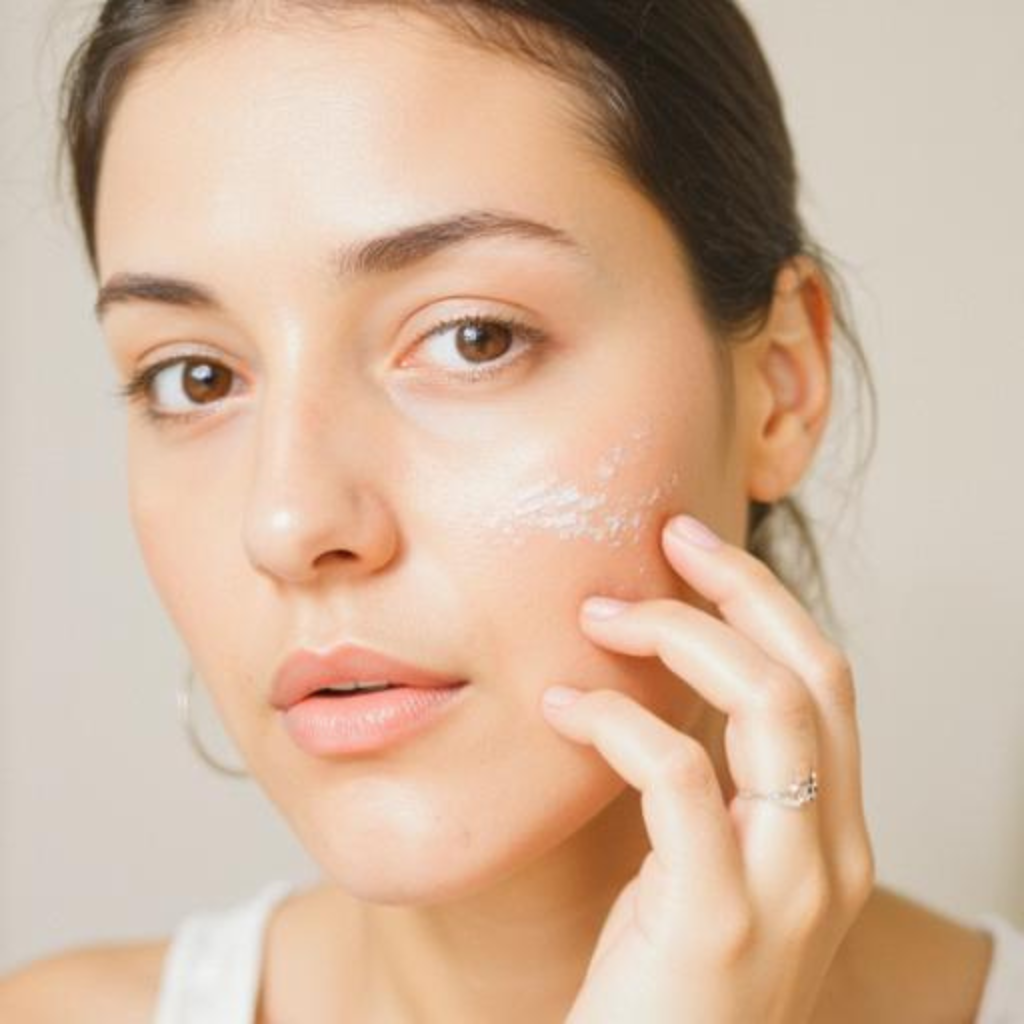
For Combination Skin (The Balancing Act)
What to do with oily skin in one area and dryness in another requires “multi-masking” and “multi-moisturizing.”
- T-Zone: Use a Salicylic Acid or Clay mask only on your oily forehead and nose.
- Cheeks: Apply thicker, hydrating creams to your dry cheeks.
- Overall: Use a gentle, balancing serum (like Niacinamide) all over your face to help with overall skin balance and oily pores appearance.
Your Skin Type FAQs: Direct Answers to Your Queries
Q: How do I know if I have oily skin?
A: You have oily skin if your face appears shiny and greasy all over within an hour of cleansing, and your pores are large and visible.
Q: What does normal to oily skin mean?
A: Normal to oily skin meaning is that most of your face (cheeks, chin) is balanced (normal), but your T-zone is definitely prone to oiliness, requiring products that target oil without drying out the rest of your face.
Q: Is oily face good?
A: Yes, is oily face good? While challenging to manage, oily skin is often thicker and shows signs of aging (wrinkles) much later than dry skin does. It has a natural “built-in moisturizer” and is generally more resilient.
Q: How do I know if I have combination skin?
A: You have combination skin if your T-zone is oily, but your cheeks and jawline are dry, tight, or normal. This is the oily vs combination skin split.
Q: What is combo skin?
A: What is combo skin? It is short for combination skin, characterized by having both oily skin example areas and dry or normal areas on the face.
Q: Why does my face get greasy?
A: Why is my face greasy? Your face can be greasy due to genetics, hormonal changes, or an imbalance caused by using products that are too harsh, leading your skin to overproduce oil.
The Final Word on How to Know If Your Skin Is Oily or Dry
The journey to great skin begins with accurate identification. By taking just 30 minutes for the 3-step skin test and learning the distinct characteristics of oily skin versus dry skin, you can stop playing guessing games with your routine.
Remember, every single product—from your face cleanser for oily dry skin to your moisturizer—should be chosen based on what your skin told you during that test.
We have addressed every possible angle of how to know if you have dry or oily skin (and combination skin) to ensure you have the knowledge needed to take control of your complexion.
