
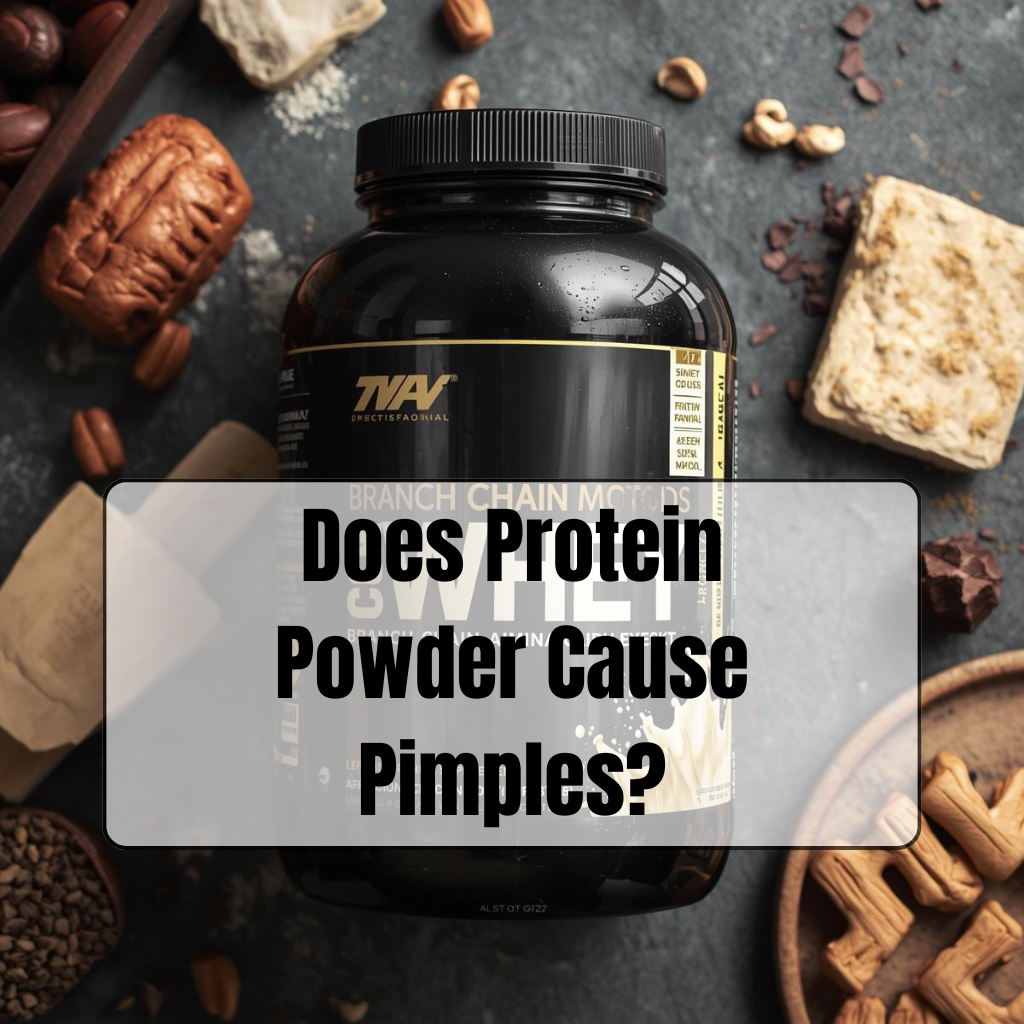

If you’re meticulously balancing your fitness goals with a dedicated skincare routine, you’ve likely asked the crucial question: does protein powder cause pimples? It’s one of the most common dilemmas in the health and beauty world. You want the muscle-building benefits of a protein supplement, but you dread the possibility of a sudden, unwelcome protein breakout or persistent whey protein pimples.
The short answer is yes, for many people, there is a genuine link. But the relationship isn’t with all protein. The real culprit is usually a specific type of protein and how it interacts with your body’s hormones and skin cells. This comprehensive guide will break down the science, examine which powders are most likely to cause trouble, and, most importantly, show you exactly how to prevent acne from whey protein.
Understanding the Link: Why Does Whey Protein Cause Acne?
Many people who notice a sudden worsening of their complexion will immediately wonder, does whey protein cause acne? Unfortunately, the evidence strongly suggests that the answer, for a significant portion of the population, is yes. The key lies in understanding the composition of whey and its biological effects on your skin.
Whey protein, a byproduct of cheesemaking, is rich in two molecules that are central to the development of acne: Leucine and an insulin-like growth factor (IGF-1) stimulating mechanism.
The Role of IGF-1 and Androgens: Can Whey Protein Make You Break Out?
Whey protein is highly effective at boosting insulin levels, which in turn elevates the production of a powerful growth hormone known as IGF-1. Elevated IGF-1 levels are known to be a major factor in the progression of acne.
Here’s the chain reaction that explains the common concern: can whey protein cause pimples?
- IGF-1 Surge: Consuming whey protein, especially in a large dose from a shake, rapidly increases insulin and IGF-1.
- Sebum Production: IGF-1 directly stimulates the production of sebum—the oily, waxy substance produced by your skin’s sebaceous glands. Excessive sebum is the perfect breeding ground for acne bacteria.
- Cell Proliferation: The hormone also promotes the growth of skin cells (keratinocytes). These cells, combined with the excess sticky sebum, clog pores.
- Inflammation: This combination leads to inflammation, resulting in the red, angry pustules that confirm your suspicion: whey protein acne is real.
When you factor in the high leucine content in whey, which amplifies the mTORC1 signaling pathway (a major driver of acne development), it becomes clear why many individuals find that does drinking protein cause acne is a question with a positive, if disappointing, answer. It’s a hormonal and cellular cascade.
Delving Deeper into Whey Protein Isolate: Can Whey Protein Isolate Cause Acne?
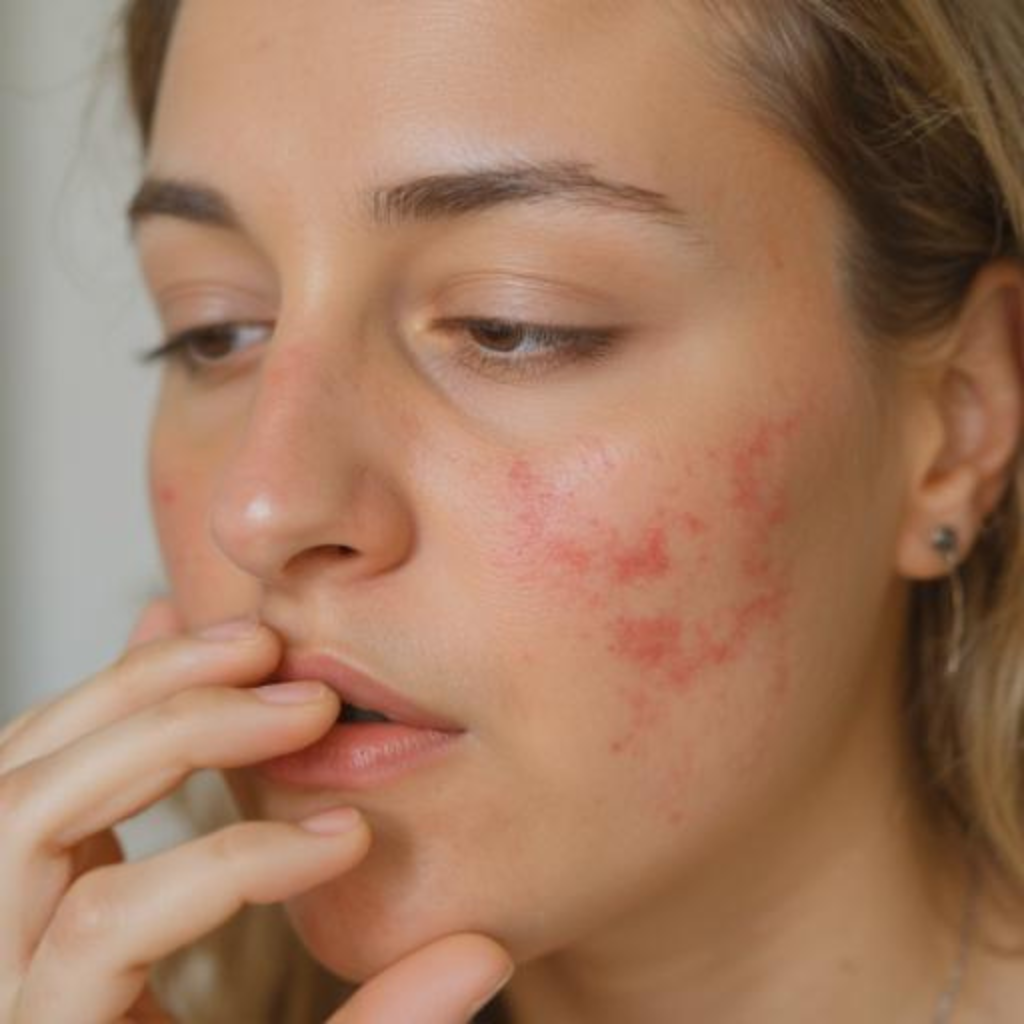
Among the different forms of whey, the concern is particularly high for concentrate and can whey protein isolate cause acne. Isolates are highly processed to remove fat and lactose, concentrating the protein. While this makes it a “purer” protein source, it often leads to an even faster and more dramatic increase in insulin and IGF-1 post-consumption compared to other forms of dairy protein. This rapid hormonal response only amplifies the sebaceous and inflammatory issues, making isolate a frequent trigger for those sensitive to protein pimples.
Identifying the Symptoms: Does Protein Cause Spots?
If you’ve recently started a new supplement regimen and noticed blemishes, you’re likely asking yourself, does protein cause spots? The breakouts associated with whey protein have a specific presentation that can help you confirm the cause.
- Location: Whey face breakouts often appear on the lower half of the face, jawline, and neck, which are common areas for hormonal acne. They can also appear on the chest and back (bacne).
- Type: The blemishes tend to be inflammatory—red, painful cysts or nodules—rather than simple blackheads or whiteheads.
- Timing: The spots usually appear a few weeks after starting consistent use of a whey product.
The overall question of does protein give you pimples is nuanced. Protein itself is essential. The issue is usually the type of protein supplement and the resulting hormonal impact, especially if you think can too much protein cause acne might be the issue. While excessive protein intake from any source can theoretically put stress on the body, the mechanism of action is distinctly tied to whey’s effect on IGF-1.
Solutions and Alternatives: Protein Powder That Doesn’t Make You Break Out
If you’ve concluded that whey protein break out is a reality for your skin, don’t despair. You do not have to abandon your fitness goals. The solution is to switch your supplement. There are several high-quality alternatives that are far less likely to cause a protein breakout because they do not trigger the same hormonal response.
Exploring Vegan Options: Does Plant Protein Cause Acne?
For most people, the answer to does plant protein cause acne is no. Plant-based proteins are excellent options for those sensitive to dairy-based whey. They generally do not stimulate IGF-1 production to the same extent as whey and are naturally free of lactose, which can also be an inflammatory trigger for some.
- Pea Protein: Highly digestible and a complete protein source, pea protein acne is a very rare occurrence. It’s the top recommended alternative for those looking to avoid a protein powder pimples issue. The search term does pea protein cause acne consistently shows low risk.
- Brown Rice Protein: Another hypoallergenic option.
- Hemp Protein: High in essential fatty acids, which are actually beneficial for skin health.
- Soy Protein: While soy isoflavones can have mild hormonal effects, does soy protein cause acne is generally not a concern. In fact, some studies suggest soy can have anti-inflammatory benefits. However, those avoiding all hormonal influences might stick to pea or rice.
If you are concerned about whether can vegan protein powder cause acne, rest assured that the risk is minimal compared to whey. They are often the best solution for avoiding a skin reaction.
The Collagen Alternative
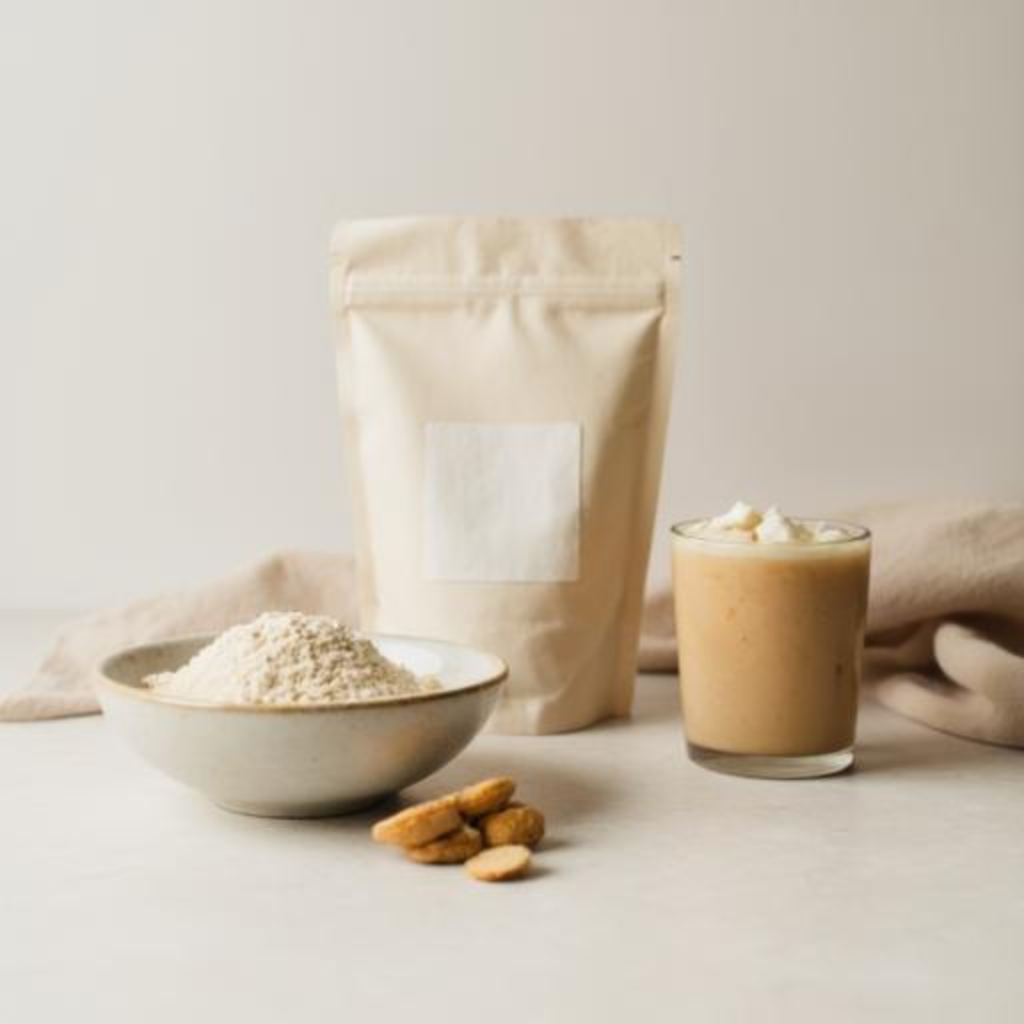
Collagen peptides are often overlooked as a protein supplement. Collagen is the most abundant protein in the body, vital for skin, hair, and joint health. Crucially, it does not have the same IGF-1 boosting effect as whey. Switching to collagen can support muscle recovery while simultaneously supporting healthier skin and preventing the protein breakout caused by whey.
Other Triggers: Can Too Much Protein Cause Acne?
While the type of protein is the most important factor, it’s worth considering your overall macro balance. You might ask, can too much protein make you break out?
If your diet is generally high in inflammatory foods (processed sugars, saturated fats) and you are consuming an excessive amount of protein far beyond your body’s needs (e.g., more than 35% of total calories), it can place generalized stress on your system that might indirectly worsen skin health. However, the direct acne-causing mechanism is almost always linked specifically to whey’s IGF-1 effect, not just the protein volume. Most concerns around protein supplement acne point back to whey.
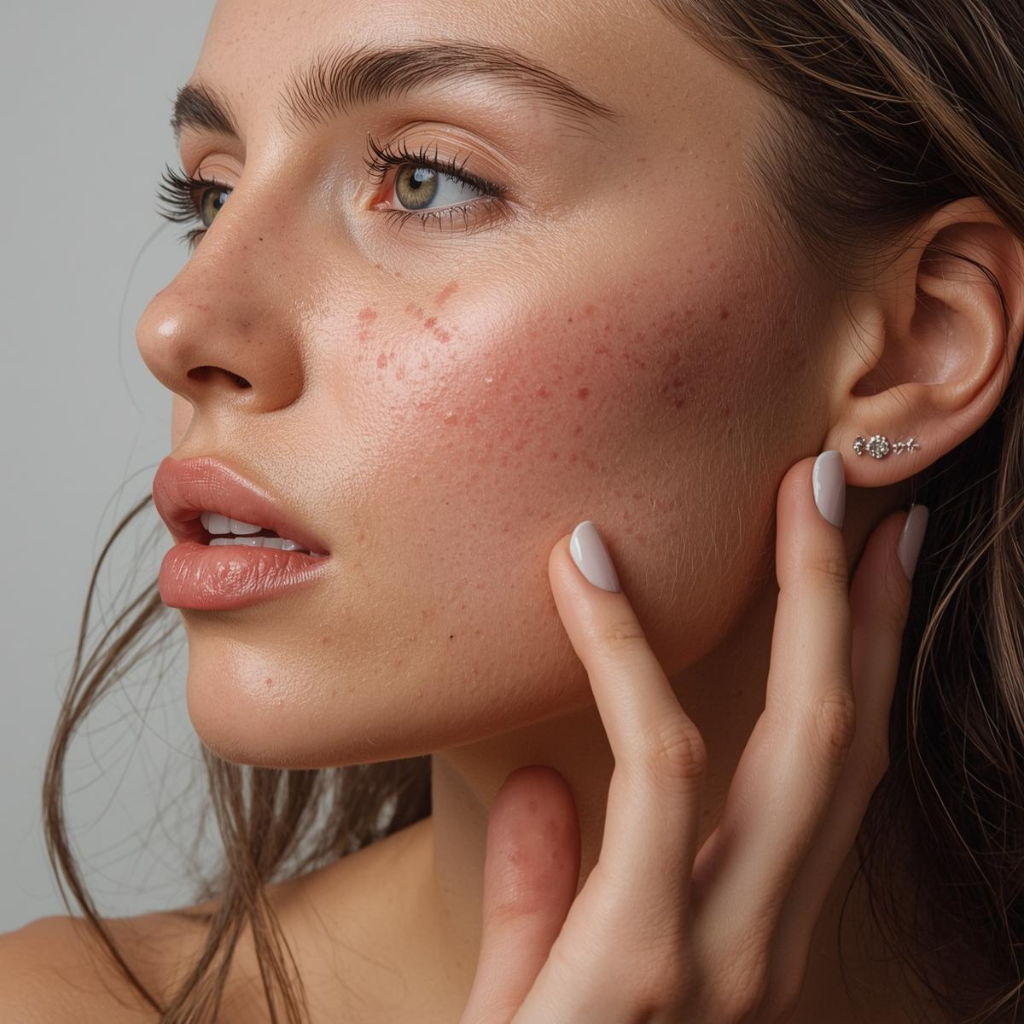
Does BCAA Cause Acne?
Some fitness supplements like Branch Chain Amino Acids (BCAAs) are high in Leucine, the same amino acid that amplifies the acne-causing pathway in whey. So, while the primary concern is usually the shake, individuals sensitive to whey should also be cautious about whether will bcaa cause acne or if do bcaa cause acne is a risk. Monitor your skin carefully if using a BCAA product.
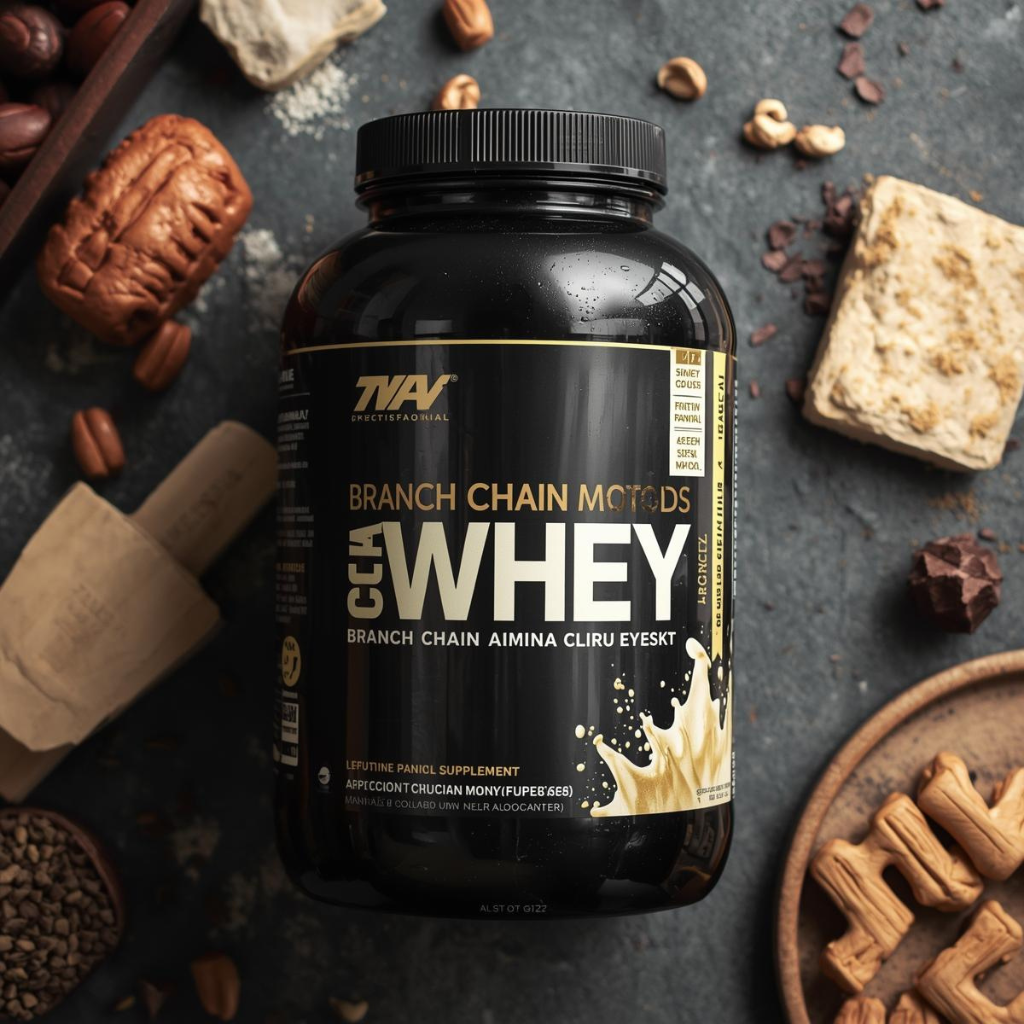
Action Plan: How to Stop Protein Pimples
If you have definitively identified the link—for instance, realizing whey protein and acne are correlated for you, or that whey protein and pimples always follow a shake—here is your three-step action plan to clear your skin:
Stop the Source and Heal the Skin
- Immediate Elimination: Temporarily cease all consumption of whey protein (including any bars or snacks made with whey). This is the fastest way to see if the whey protein pimples diminish.
- Look for a Rash: Also, monitor for a whey protein skin rash, which can indicate a mild allergic reaction, not just acne.
- Adjust Dosage: If you must use whey, reduce the portion size and frequency. Some find that smaller, spread-out doses are less likely to cause a dramatic IGF-1 spike.
Switch Your Supplement and Monitor
- Go Plant-Based: Switch to one of the alternatives mentioned above, focusing on the ones that guarantee a protein powder that doesn’t make you break out, such as a high-quality pea or collagen protein.
- Check Hidden Ingredients: Be aware that some weight gainer acne is caused not by the high protein, but by the massive amounts of sugar often included in those formulas. Always check labels.
Optimize Your Diet and Skincare Routine
- Hydration is Key: Drink plenty of water to help flush toxins and balance oil production.
- Focus on Fiber and Whole Foods: A diet rich in antioxidants and low in refined sugars helps manage overall systemic inflammation, making your skin less reactive to triggers.
- Skincare: Use a dedicated skincare routine for acne-prone skin, including ingredients like salicylic acid or benzoyl peroxide to treat existing breakouts and help manage the clogged pores that can make you feel like protein spots are inevitable.
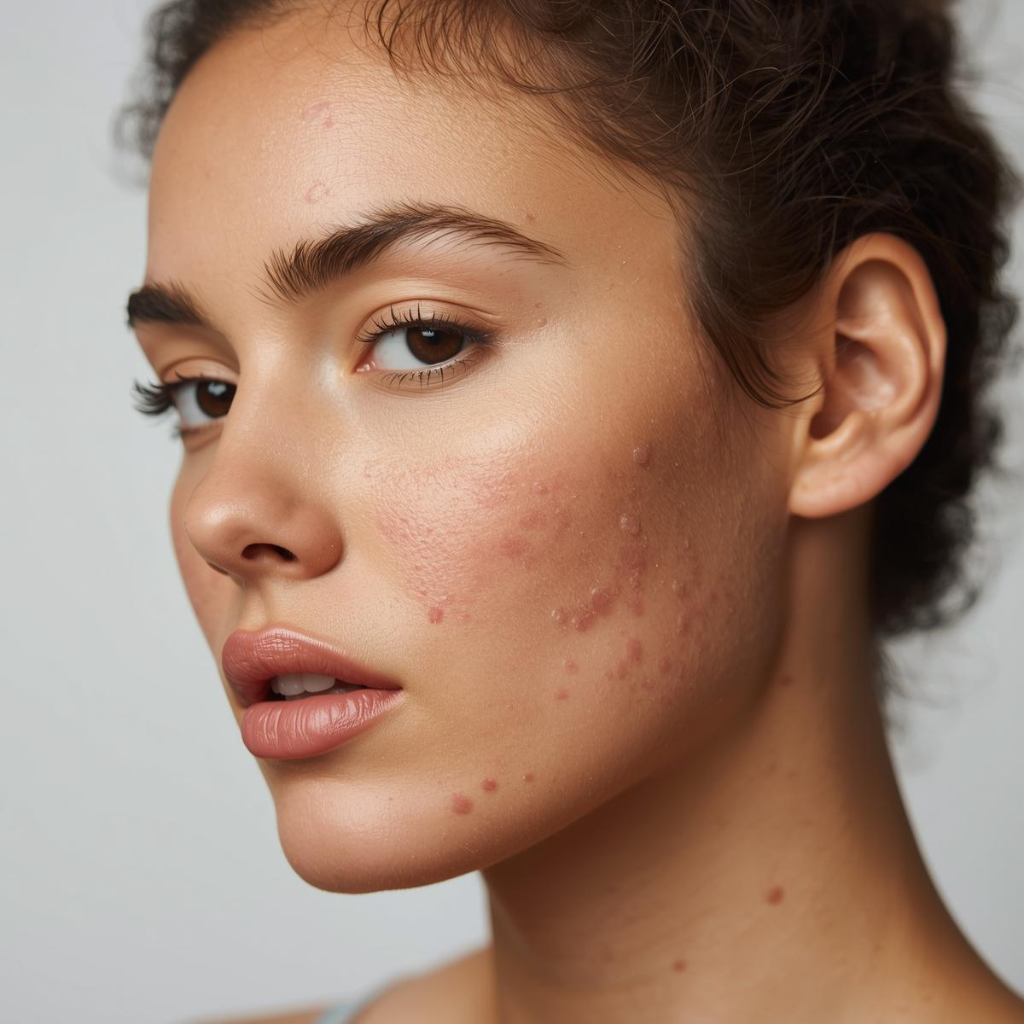
Final Thoughts: Finding Clarity on Protein and Your Skin
For the individual sensitive to the hormonal effects of dairy, the unfortunate reality is that does whey cause acne and why does whey protein cause acne are questions answered by strong biological evidence.
By understanding the distinct mechanism—the IGF-1 and Leucine signaling—you can make an informed choice. You can now confidently address the question: does protein causes acne? No, not all protein, but the common whey supplement often does.
By switching to plant-based alternatives, reducing your total intake to a necessary amount (to avoid feeling like can too much protein cause acne is your problem), and ensuring a consistent skincare regimen, you can achieve your physique goals without sacrificing clear, healthy skin.
Embrace the alternatives like pea or collagen protein, and put the issue of protein pimples behind you for good.
